
Stitching, Hardware, and Stress Points Explained
When evaluating the quality of a travel bag, backpack, or leather duffle, materials alone do not tell the full story. True durability is determined by how a bag is built. Stitching, hardware, and stress points are the structural elements that decide whether a bag lasts a few seasons or performs reliably for years.
This educational guide breaks down these critical components, explaining what to look for, why they matter, and how they impact long-term performance. Understanding these details allows buyers to identify well-made bags and avoid products that fail prematurely.
Why Build Quality Matters More Than Appearance
A bag may look attractive on the surface, but hidden construction details determine how it holds up under real-world use. Weight, movement, friction, and environmental exposure all place stress on a bag’s structure.
High-quality build construction ensures:
- Consistent performance under load
- Resistance to tearing and separation
- Long-term durability with minimal maintenance
Stitching, hardware, and stress reinforcement work together as a system. Weakness in any one area can compromise the entire bag.
Stitching: The Backbone of Bag Construction
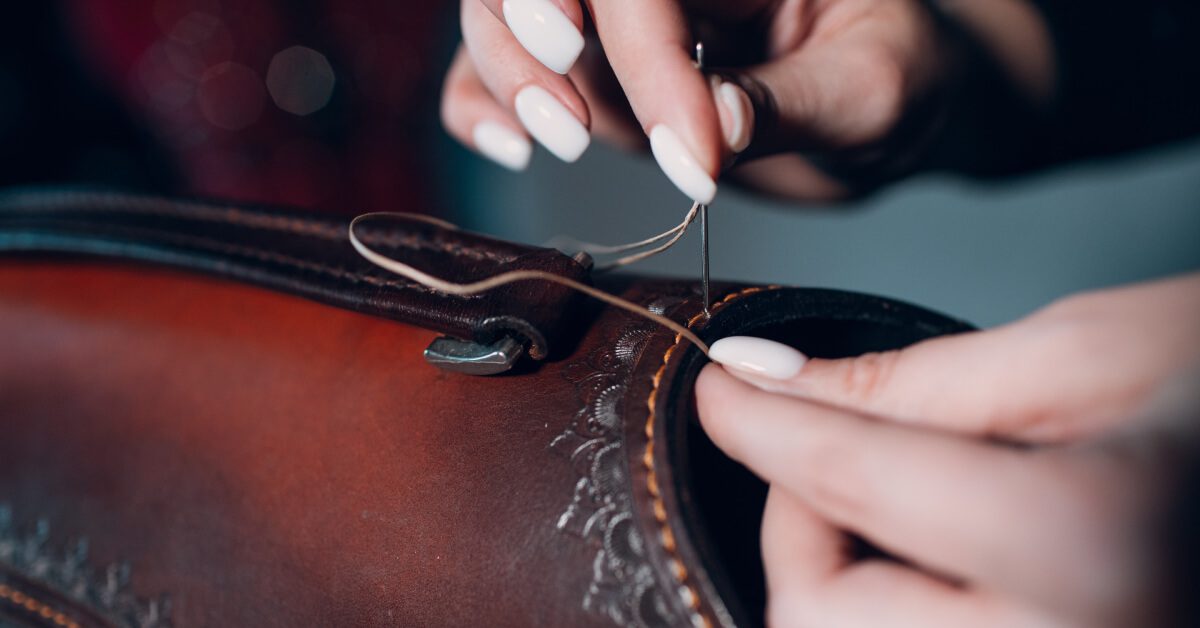
Stitching holds a bag together. Even premium leather or fabric will fail if stitching is poorly executed. Examining stitch quality is one of the fastest ways to assess overall craftsmanship.
Types of Stitching
Single stitching uses one line of thread and is common in low-cost bags. While adequate for light use, it offers limited redundancy.
Double stitching uses two parallel rows of thread, increasing strength and resistance to seam failure. This method is preferred for high-stress areas.
Box stitching and cross stitching are often used at handle bases and strap attachments, distributing weight across a larger area.
Thread Quality
Thread strength matters as much as stitch pattern. High-quality bags use:
- Thick nylon or polyester thread
- Waxed thread for leather goods
- Even tension with no loose loops
Thin or brittle thread is a common failure point, especially when bags are overpacked.
Signs of Good Stitching
- Consistent stitch length
- No skipped stitches
- No fraying or unraveling at seams
Uneven stitching or visible gaps often indicate rushed manufacturing.
Hardware: Small Components, Big Impact
Hardware includes zippers, buckles, clasps, D-rings, and rivets. These components endure constant movement and load, making them critical to a bag’s lifespan.
Zippers
Zippers are one of the most common failure points. High-quality bags use metal zippers made from brass or stainless steel rather than plastic.
Key indicators of good zipper quality include:
- Smooth, snag-free movement
- Firm zipper teeth with no gaps
- Reinforced zipper ends
A sturdy zipper should operate smoothly even when the bag is fully packed.
Buckles and Clasps
Metal buckles and clasps provide superior strength compared to plastic alternatives. Solid brass, zinc alloy, or stainless steel components resist bending and corrosion.
Well-designed buckles should:
- Close securely without slipping
- Show no sharp edges
- Remain functional under tension
D-Rings and Rivets
D-rings connect shoulder straps and handles, while rivets reinforce load-bearing areas. These parts must be thick and firmly anchored into the bag’s structure.
Loose or thin hardware often leads to strap failure.
Stress Points: Where Bags Fail First
Stress points are areas of concentrated load or movement. These locations experience repeated strain and are the most likely to fail if not properly reinforced.
Handle Attachments
Handles carry the full weight of a bag. High-quality bags reinforce handle bases with:
- Multiple layers of material
- Box or cross stitching
- Metal rivets for added strength
Handles stitched directly onto thin material without reinforcement are prone to tearing.
Shoulder Strap Anchors
Shoulder straps introduce dynamic movement, increasing stress. Reinforced anchor points prevent stretching and tearing during extended use.
Base and Corners
The bottom of a bag absorbs impact when set down. Reinforced bases, leather panels, or protective feet extend lifespan by reducing abrasion.
How Stitching, Hardware, and Stress Points Work Together
Build quality is not about one feature alone. Strong stitching without reinforced stress points still leads to failure. Durable hardware without proper stitching can pull loose.
Well-made bags integrate all three elements into a cohesive structure:
- Stitching holds panels securely
- Hardware distributes load safely
- Stress points are reinforced for longevity
This balance is what separates premium bags from mass-produced alternatives.
Common Build Quality Red Flags
When inspecting a bag, watch for these warning signs:
- Loose threads or uneven seams
- Plastic zippers or buckles on heavy bags
- Unreinforced handle attachments
- Thin material at high-stress areas
These indicators often suggest shortcuts in manufacturing.
Why Build Quality Determines Long-Term Value
A bag with strong construction lasts longer, performs better, and requires fewer repairs. While higher build quality often comes with a higher upfront cost, it reduces replacement frequency and improves reliability.
For frequent travelers or daily users, investing in strong stitching, durable hardware, and reinforced stress points delivers better value over time.
Conclusion
Stitching, hardware, and stress points form the foundation of bag durability. These elements determine whether a bag withstands years of use or fails under routine strain.
By understanding how these components function and what quality looks like, buyers can make informed decisions and choose bags built to last. Strong construction is not about excess—it is about thoughtful design, proper reinforcement, and attention to detail that ensures long-term performance.